

Learning to Track Expenses
07/22/2026
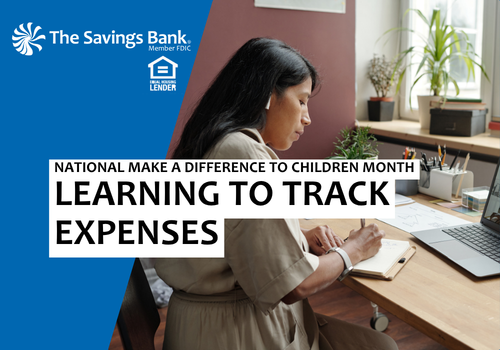
Learning to Track Expenses
While budgets may sound like something only adults need, helping children understand where their money goes can build confidence, responsibility, and healthy financial habits that last a lifetime.
Why Tracking Expenses Matters
Children often receive money through allowances, birthday gifts, or small jobs around the house. Without paying attention to where that money goes, it’s easy to spend it quickly without realizing it.
Tracking expenses helps children:
- Understand the difference between wants and needs.
- Recognize spending habits.
- Make thoughtful purchasing decisions.
- Set and achieve spending goals.
- Learn that every dollar has a purpose.
`These are valuable lessons that can help them avoid financial stress later in life.
Keep It Simple
Expense tracking doesn’t have to be complicated, especially when you are just trying to introduce children to the concept. Younger children can use a notebook to write down each purchase, while older children may enjoy using a simple spreadsheet or budgeting app with a parent’s guidance.
Encourage them to record:
- What they bought
- How much they spent
- The date of the purchase
- How much money they have left
Reviewing their spending together every week or month can spark conversations about smart choices without making money feel intimidating.
Set Savings Goals
Tracking expenses becomes even more meaningful when children have something they’re working toward. Whether it’s a new video game, sports equipment, or a special outing, seeing their savings grow helps reinforce the value of patience and planning.
You can even divide their money into categories such as Spend, Save, and Give! This simple system teaches children that money can be used not only for themselves, but also to help others and prepare for future needs.
Lead by Example
Children often learn best by watching the adults in their lives. Talk about how you budget for groceries, save for vacations, or compare prices before making purchases. These everyday conversations help normalize money management.
The most important thing to remember is that perfection is not the goal, but building awareness is. Small discussions or exercises about spending can help children develop confidence with money as they grow. Check below for some excellent resources for teaching young people about smart money practices!
Resources: