
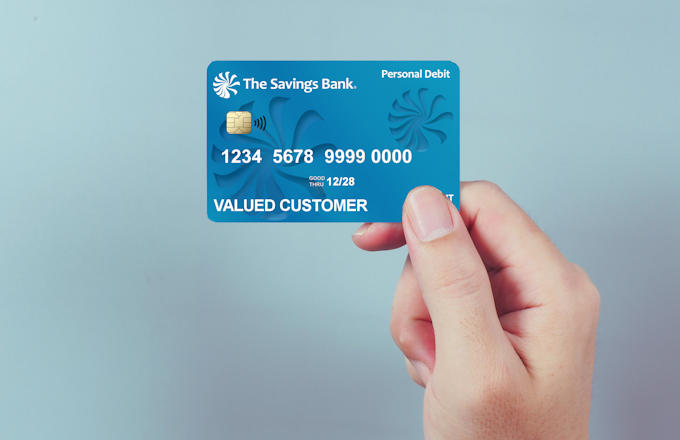
Scammers are everywhere, but it’s just as important that you make wise decisions after a scammer strikes as it is trying to prevent losses in the first place. Follow these steps if you think you’ve been a victim of a scam.
What To Do If You Think You've Been Scammed
- Call your bank. You can call The Savings Bank at 1-800-582-2265 during business hours. If it’s not during business hours, call the following numbers if you believe your TSB card has been compromised:
- Debit Card: 1-800-754-4128
- Credit Card: 1-800-883-0131
- If you have a debit card and use the My TSB app, be sure to enroll your cards in the Cards menu. If your debit card has been lost or stolen, this allows you to turn it off via the My TSB app. To enroll, simply login and click the More (...) Menu. Then, select Cards. Here you'll be able to 'Freeze' a card so that it cannot be used.
- Change your online banking password. If you feel someone may have access to your online banking credentials, change your password immediately. Know that depending on the depth of the scam, your banker may recommend that you create a new online banking account and may even recommend you open a new account entirely, thus changing the account number.
- Contact the credit bureaus. If personally identifying information (PII) like your social security number was stolen in a data breach or scam, it may benefit you to visit the three credit bureaus’ website where you can freeze or lock down your credit file.
- Experian: www.Experian.com
- Equifax: www.Equifax.com
- TransUnion: www.TransUnion.com
- Do NOT continue contact with the scammer. If you have been scammed, do not continue contact with the scammer whether by phone, text, email, or in-person.
- Follow your bank’s instructions. Every case of fraud is different, and your bank will assist you with next steps. This may include but is not limited to:
- Shutting down your current debit or credit card and getting a new one.
- Closing current accounts and opening new ones.
- Filing a dispute, detailed below.
- Putting alerts or new security measures on your account.
- Creating a new online banking login.
- File a dispute. If you see a charge or multiple charges on your card you did not authorize, you can file a dispute and possibly receive some or all of your funds returned to you. Your banker can walk you through the dispute process.
Recovering from Fraud and Scams
Keep the following in mind as you recover from fraud:
- Closely review your bank statements for the foreseeable future. If you see anything out of the ordinary, contact your bank.
- Your bank may ask you to get a new card or even close your bank account to open a new one. While this can be inconvenient, it is often the best way to cut off all access to a scammer who may have your information.
- Report scams to the FTC at FTC.gov. Report cybercrimes to the FBI Internet Crime Complaint Center at ic3.gov. While this does not help you get lost funds returned, it does help officials track and stop crime rings.
- Pull your credit report regularly to be certain no one is opening accounts in your name. Reports can be pulled from www.AnnualCreditReport.com.
If you do have autopayments connected to the card or account affected and you have opened a new card or account, take time to contact those vendors with new account information so that you don’t miss a payment. Here is a list of vendors to consider:
|
Type of Bill |
CHECK LIST |
|
Cable/Internet |
|
|
Car Payment (if not TSB) |
|
|
Credit Card(s) |
|
|
Electric |
|
|
Food Delivery |
|
|
Funds Transfer |
|
|
Gaming |
|
|
Gas/Propane |
|
|
Healthcare |
|
|
Insurance (Home/Car) |
|
|
Life Insurance |
|
|
Loan(s) (if not TSB) |
|
|
Music Streaming |
|
|
Phone |
|
|
Shopping |
|
|
Television Streaming Services |
|
|
Trash |
|
|
Virtual Wallet |
|
|
Water |
|